Where Roof Leaks Start and Why You Miss Them
Samuel Adeyemi
Leak Detection Specialist
AUG 5, 2026
5 min read


Almost nobody finds a roof leak where it actually begins. Water enters at one point, travels somewhere else entirely, and shows itself in a third place weeks later. That gap between cause and symptom is why so many leaks get patched twice before they stop.
1. The Stain Is Never Under the Leak
Water follows the framing. It runs along a rafter, crosses a joist, and drops only when it meets an obstruction, sometimes several metres from where it came in. Repairing the ceiling directly above the stain is the most common wasted repair we are called out to correct.
Trace a leak uphill, not straight up. The entry point is almost always higher on the slope than the damage.
2. Leaks Begin at Interruptions, Not Open Slopes
Shingles in the middle of a slope rarely fail first. Water gets in wherever something breaks the surface, and those joints depend on flashing that ages faster than the roof around it.
- Chimney bases, where mortar and metal meet
- Skylight corners and their sealed edges
- Vent pipes with cracked rubber boot collars
- Valleys, where two slopes concentrate runoff

3. Some Leaks Only Open in Certain Weather
A roof can pass a hose test and still leak in a storm, because wind-driven rain pushes water sideways under courses that gravity alone would never breach. If your ceiling stains appear after gales but not after steady rain, say so when you book the inspection. It narrows the search enormously.

12 years tracing leaks in residential and commercial roofs. Certified infrared thermographer.

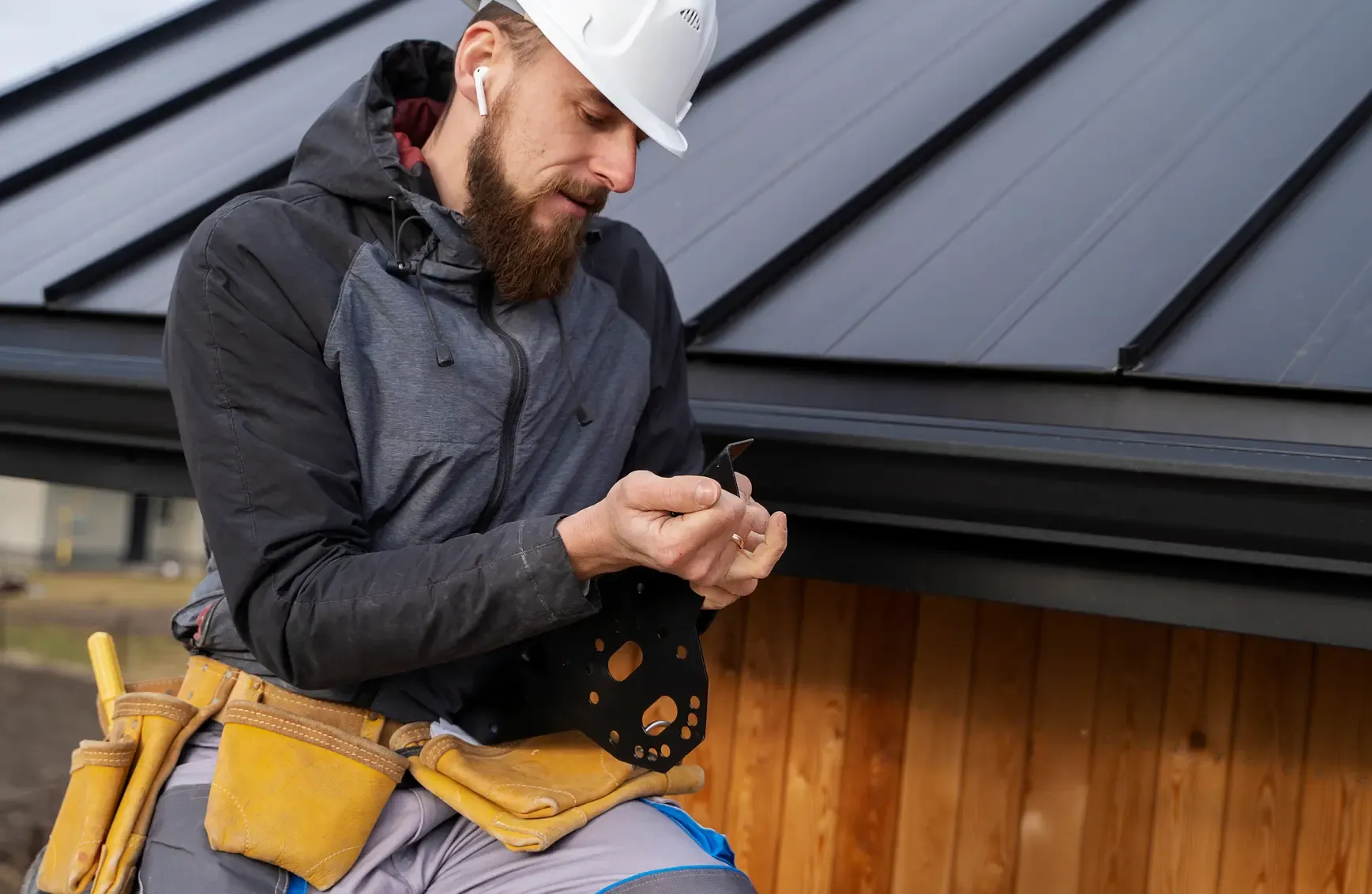
Leaks rarely begin where the stain appears. Here is where to actually look.
A step-by-step guide to getting storm damage covered without the headache.

Asphalt, metal, or tile? Compare lifespan, cost, and curb appeal side by side.