Understanding Roof Warranties
Priya Raman
Warranty Lead
APR 10, 2026
5 min read
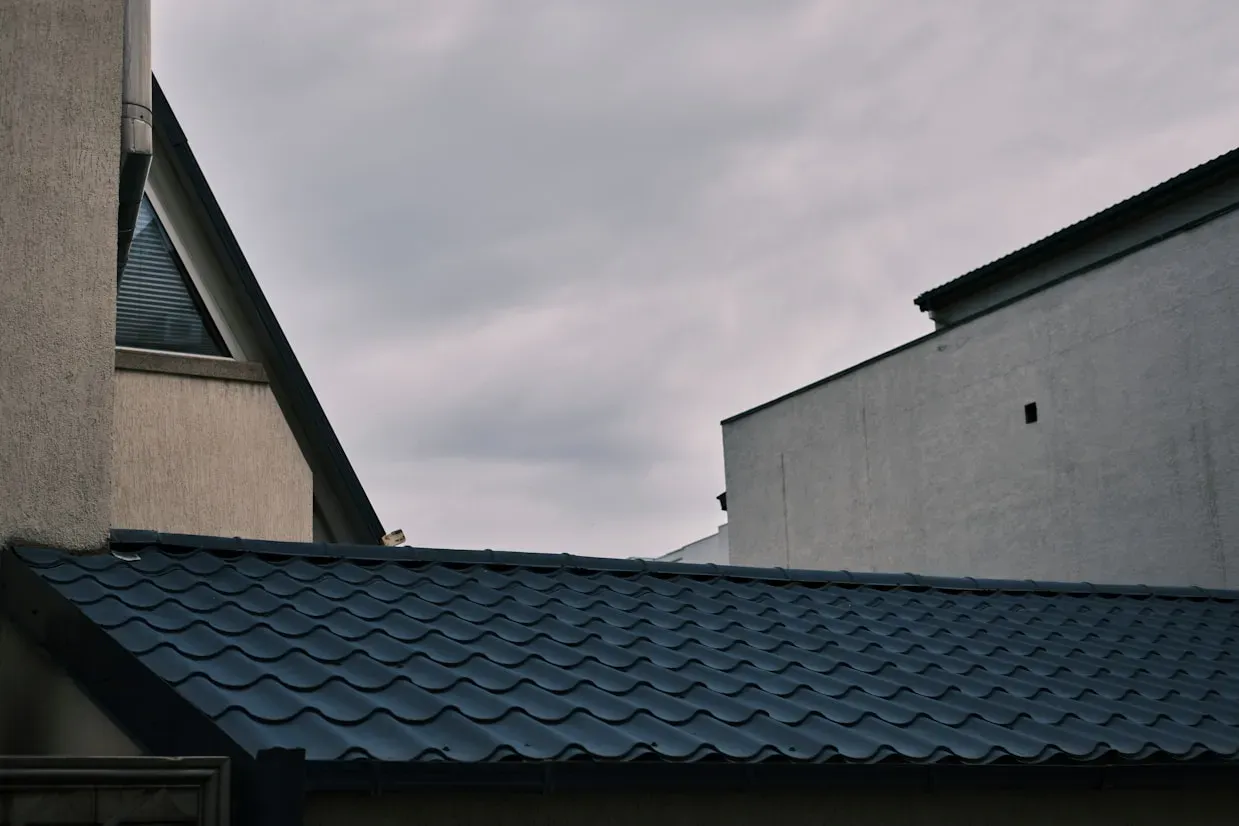

A roof warranty is only as good as the conditions attached to it. Most homeowners discover those conditions at the worst possible moment. Ten minutes of reading now saves a great deal of frustration later.
1. You Actually Hold Two Warranties
The manufacturer covers defects in the materials. The contractor covers the quality of the installation. Since the large majority of roof failures come down to workmanship rather than faulty shingles, the contractor warranty is often the more valuable of the pair.
A fifty-year material warranty means very little behind a two-year workmanship warranty.
2. What Quietly Voids Coverage
Warranties are rarely denied without cause. The causes are usually listed in the fine print and easy to avoid once you know them.
- Layering the new roof over the old one
- Repairs carried out by an unapproved contractor
- Inadequate attic ventilation for the system installed
- Skipping the registration deadline after installation

3. Register It and Keep the File
Register the warranty within the manufacturer's window, then keep the contract, the material list, the permit, and photographs of the finished work in one folder. Check whether the coverage is transferable too, because a transferable warranty is a genuine selling point when you list the house.

8 years managing manufacturer warranties and workmanship claims. GAF and Owens Corning trained.

Leaks rarely begin where the stain appears. Here is where to actually look.
A step-by-step guide to getting storm damage covered without the headache.

Asphalt, metal, or tile? Compare lifespan, cost, and curb appeal side by side.